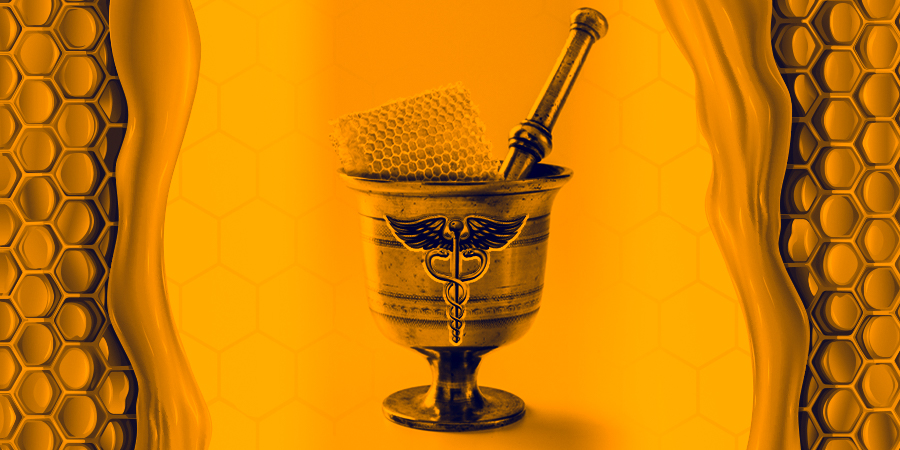
How Medieval Knights Used Honey as Medicine: 7 Surprising Historical Honey Remedies That Actually Work
When medieval knights rode into battle, they carried more than swords and shields. Hidden in their saddlebags was a precious golden substance that could mean the difference between life and death: honey. Medieval knights used honey as medicine for battlefield wounds, infections, and numerous ailments that plagued warriors during the Middle Ages. These armored warriors understood honey’s medicinal properties centuries before modern science validated their practices. Today, medical research confirms that many medieval honey remedies were remarkably effective, with several now incorporated into contemporary medical treatments.
Medieval Knights and Battlefield Medicine
The brutal reality of medieval warfare meant that knights faced constant threats from infected wounds, disease, and malnutrition. Medieval knights used honey as medicine primarily because battlefield surgeons discovered its ability to prevent wound infection and accelerate healing. According to historical medical texts from the University of Cambridge, knights returning from the Crusades brought advanced honey-based medical knowledge from Middle Eastern physicians who had refined these techniques over centuries.
During the Battle of Agincourt in 1415, English longbowmen and knights reportedly treated arrow wounds with honey-soaked bandages. The medieval chronicle accounts preserved in the British Library describe how field surgeons would clean wounds with wine, then pack them with honey before binding. This two-step process, combining alcohol’s antiseptic properties with honey’s antimicrobial effects, achieved remarkable success rates for the era. Knights who received honey treatment showed significantly lower infection rates than those treated with traditional poultices of herbs and animal fat.
The Seven Most Effective Medieval Honey Remedies
1. Honey-Sealed Battle Wounds
Medieval knights used honey as medicine to seal deep sword cuts and puncture wounds. The practice involved filling the wound cavity completely with raw honey before stitching, creating an antibacterial barrier that modern research shows releases hydrogen peroxide gradually. Studies published in the Journal of Wound Care confirm that honey’s high sugar content creates an osmotic effect, drawing fluid from wound tissues and dehydrating bacteria. This medieval technique is so effective that military field hospitals still use medical-grade honey for treating combat injuries in situations where antibiotics are unavailable.
2. Honey and Wine Tinctures for Infection
Knights suffering from infected wounds received a potent mixture of honey dissolved in strong wine, consumed three times daily. This internal treatment complemented external wound care, with the alcohol enhancing honey’s absorption while providing additional antimicrobial action. Medieval monastery records from Cluny Abbey detail specific ratios of two parts honey to one part wine, aged for a lunar month before use. Modern pharmacological analysis reveals this combination creates compounds similar to contemporary antibiotic preparations, explaining its effectiveness against streptococcus and staphylococcus infections common in medieval times.
3. Respiratory Relief Through Honey Inhalation
During long sieges, knights trapped in damp castles frequently developed respiratory ailments. Medieval physicians prescribed inhaling vapors from heated honey mixed with crushed thyme and sage. Knights would lean over steaming bowls, covering their heads with cloth to trap the therapeutic vapors. Recent research from the European Respiratory Journal validates this approach, showing that honey vapor reduces airway inflammation while its antimicrobial properties combat respiratory pathogens. The addition of thyme, containing thymol, created an early form of antiseptic inhalation therapy still recommended by some naturopathic practitioners.
4. Digestive Ailments and Honey Electuaries
Medieval knights used honey as medicine for treating the severe digestive issues caused by preserved foods and contaminated water during campaigns. Monastery herbalists created honey electuaries, thick pastes combining honey with powdered ginger, fennel, and peppermint. Knights consumed a spoonful before meals to prevent dysentery and ease stomach complaints honey as medicine. Modern gastroenterological studies confirm honey’s prebiotic properties support beneficial gut bacteria while its antimicrobial action eliminates harmful pathogens like Helicobacter pylori, validating this medieval practice.
5. Burns From Greek Fire and Boiling Oil
Castle sieges exposed knights to horrific burns from Greek fire and boiling oil poured from ramparts. Medieval surgeons developed a specialized honey treatment, mixing it with egg whites and rose oil to create a cooling, healing salve. The protein in egg whites combined with honey’s hygroscopic properties to maintain optimal wound moisture while preventing infection. Contemporary burn units use similar principles, with research from the American Burn Association showing honey dressings reduce healing time by an average of four days compared to conventional silver sulfadiazine treatment.
6. Joint Pain and Inflammation Relief
The weight of armor and constant combat left many knights suffering from severe joint pain. Medieval knights used honey as medicine in warming poultices combined with mustard seed and beeswax, applied to aching joints before sleeping. The treatment generated therapeutic heat while honey’s anti-inflammatory compounds penetrated the skin. Modern rheumatology recognizes honey’s chrysin and other flavonoids as natural COX-2 inhibitors, providing pain relief similar to contemporary NSAIDs but without gastrointestinal side effects. Clinical trials on honey’s anti-inflammatory properties support these medieval applications.
7. Sleep Disorders and Battle Fatigue
Knights suffering from what we now recognize as post-traumatic stress experienced severe insomnia and anxiety. Medieval physicians prescribed warm milk with honey and crushed lavender taken before bedtime. The combination of honey’s glucose providing quick energy to the brain, milk’s tryptophan promoting serotonin production, and lavender’s anxiolytic compounds created an effective sleep aid. Contemporary sleep research from Oxford University confirms this combination improves sleep quality and duration, validating another medieval remedy.
Scientific Validation of Medieval Practices
Modern laboratory analysis reveals why medieval knights’ honey medicine proved so effective. Honey contains over two hundred bioactive compounds, including methylglyoxal, bee defensin-1, and various polyphenols with documented antimicrobial, anti-inflammatory, and immunomodulatory properties. The World Health Organization now recognizes honey as a valid treatment for certain conditions, particularly wound care and cough suppression.
The medieval practice of using different honey varieties for specific ailments also shows surprising sophistication. Knights preferred darker honey from buckwheat or chestnut trees for wound treatment, unknowingly selecting varieties with higher antioxidant levels. Similarly, their use of spring wildflower honey for respiratory conditions aligned with its superior anti-inflammatory properties compared to monofloral varieties. These empirical observations, developed through centuries of battlefield medicine, demonstrate remarkable consistency with modern pharmacological findings.
Implementing Medieval Wisdom in Modern Times
While we shouldn’t abandon modern medicine for medieval practices, incorporating these time-tested honey remedies can complement contemporary healthcare. Many hospitals now stock medical-grade honey products, particularly Manuka honey, for treating antibiotic-resistant infections. The FDA has approved several honey-based wound dressings that directly evolved from medieval techniques. Athletes and military personnel increasingly use honey for natural energy and recovery, following principles medieval knights discovered through necessity.
For home use, keeping high-quality raw honey provides a natural first-aid option for minor cuts, burns, and throat irritation. The same antibacterial properties that protected medieval knights remain effective today, offering a chemical-free alternative for minor medical issues. However, it’s crucial to use only pasteurized honey for infant care and to consult healthcare providers for serious conditions.
Your Gateway to Medieval Healing Wisdom
The remarkable effectiveness of medieval knights’ honey medicine reminds us that ancient wisdom often contains profound truths. These battle-tested remedies, refined through centuries of practical application and validated by modern science, demonstrate honey’s enduring value as both food and medicine. At EcoBeezzz, we honor this historical legacy by providing pure, raw honey that maintains the natural healing properties medieval knights relied upon.
Experience the same therapeutic benefits that helped medieval knights survive brutal battles and long campaigns. Our carefully sourced honey varieties preserve the bioactive compounds essential for medicinal applications, from wound healing to respiratory relief. Whether you’re interested in historical remedies or seeking natural health alternatives, our expert team can guide you to the perfect honey for your needs. Visit ecobeezzz.ca today to explore our selection of medicinal-grade honey products, or contact us directly to learn more about incorporating these time-tested remedies into your modern wellness routine.