Rising Honey Demand and Supply Challenges
Discover why global honey demand is surging, the supply challenges faced by beekeepers, and how these factors affect prices and sustainability in the honey industry.
The Growing Popularity of Honey
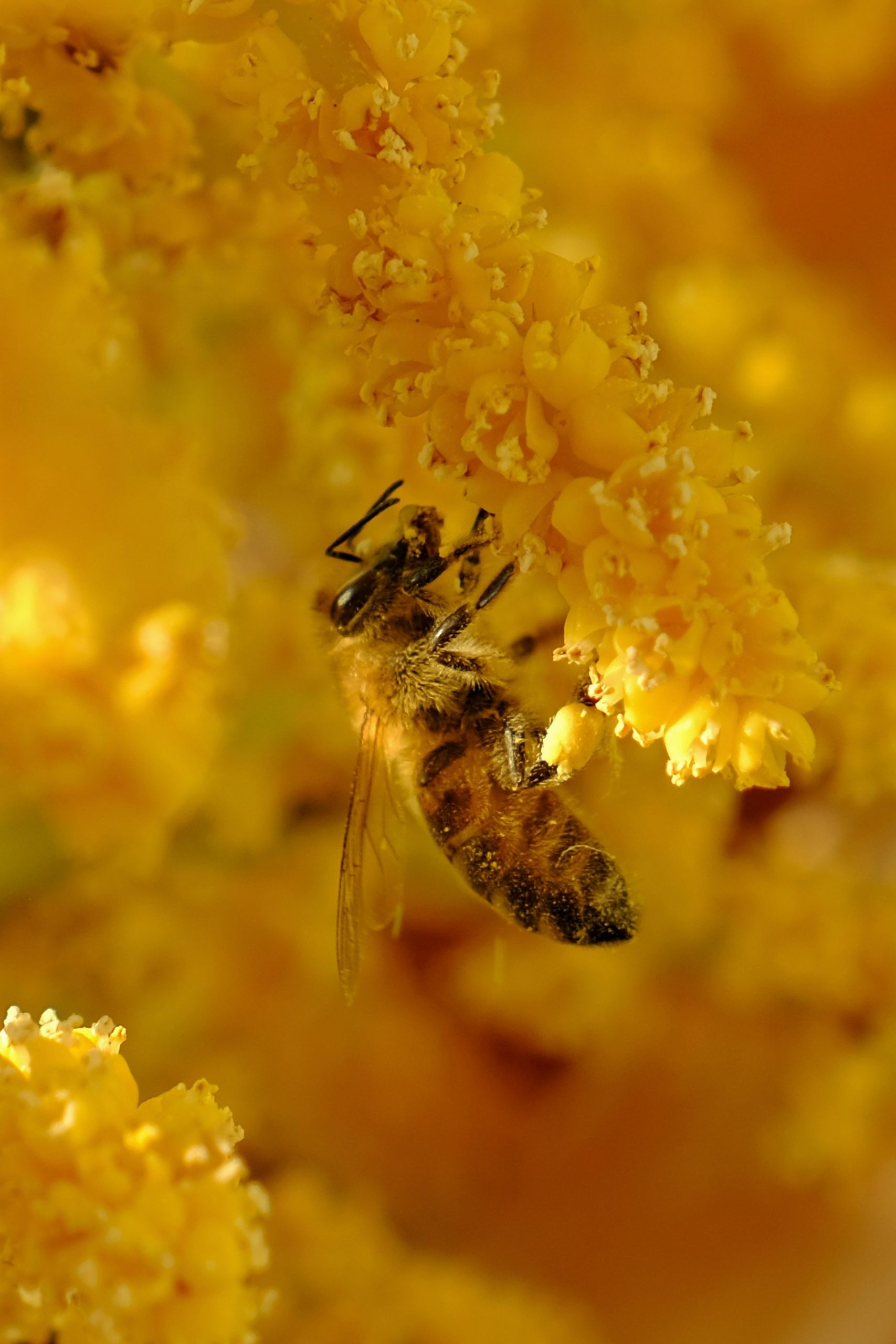
Honey has long been cherished for its natural sweetness, health benefits, and culinary versatility. Today, its popularity is reaching new heights as consumers increasingly seek healthier alternatives to refined sugars and synthetic sweeteners. The global honey market is experiencing robust growth, with revenues projected to rise from around $10 billion in 2024 to over $15 billion by 2033, driven by a compound annual growth rate (CAGR) of approximately 5%. This surge is fueled by rising health consciousness, the appeal of natural and organic products, and expanding applications in food, beverages, cosmetics, and even pharmaceuticals.
Health Benefits Driving Demand
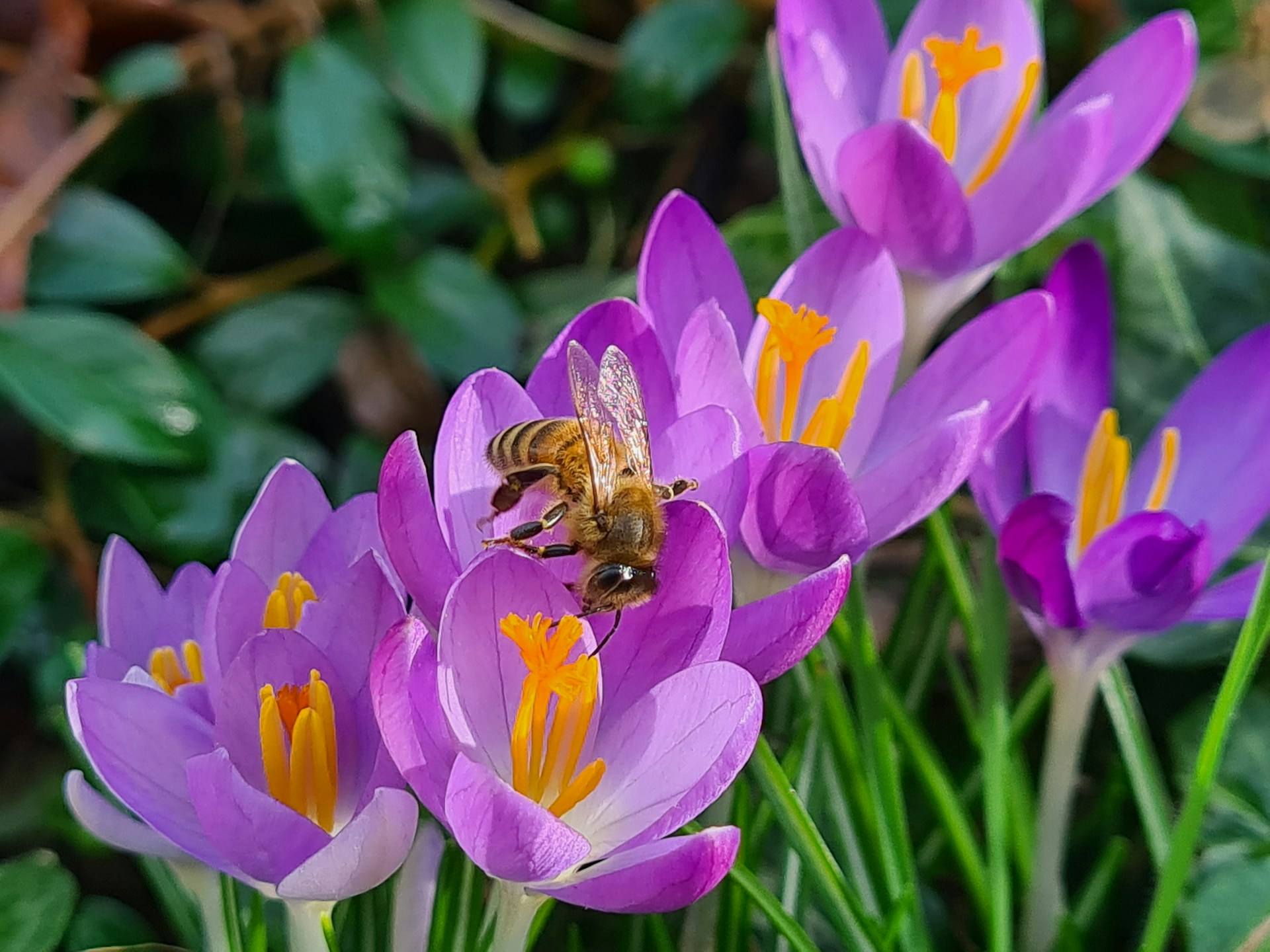
One of the main drivers of rising demand is the growing awareness of honey’s health benefits. Honey is prized for its antioxidant, antibacterial, and anti-inflammatory properties, making it a favored ingredient in wellness and self-care products as well as in the kitchen. Consumers are increasingly turning to honey as a natural remedy for sore throats, a soothing addition to teas, and a gentle sweetener for baked goods and snacks. The trend toward healthier lifestyles and clean eating has further cemented honey’s status as a premium, natural product.

Expanding Applications and Market Segments
Beyond traditional uses, honey is finding new roles in the food and beverage industry, personal care, and even medicine. The food and beverage sector remains the largest market segment, accounting for nearly 70% of global honey consumption, as more consumers substitute honey for sugar in their daily diets. At the same time, the cosmetics and pharmaceutical industries are leveraging honey’s natural moisturizing and healing properties, incorporating it into products like lotions, balms, and wound dressings. The rise of e-commerce has also made specialty and premium honey varieties more accessible to consumers worldwide, further boosting demand
Supply Challenges and Volatility
While demand for honey is on the rise, supply remains inconsistent and often unpredictable. Beekeepers face a range of challenges that can disrupt honey production, including adverse weather conditions, pests, diseases, and environmental stressors such as habitat loss and pesticide exposure. According to recent reports, the average yield per honey-producing colony has declined in some regions, highlighting the fragility of honey supply chains. These factors create volatility in honey prices and make it difficult for beekeepers to reliably meet market needs.

Weather, Pests, and Environmental Stressors
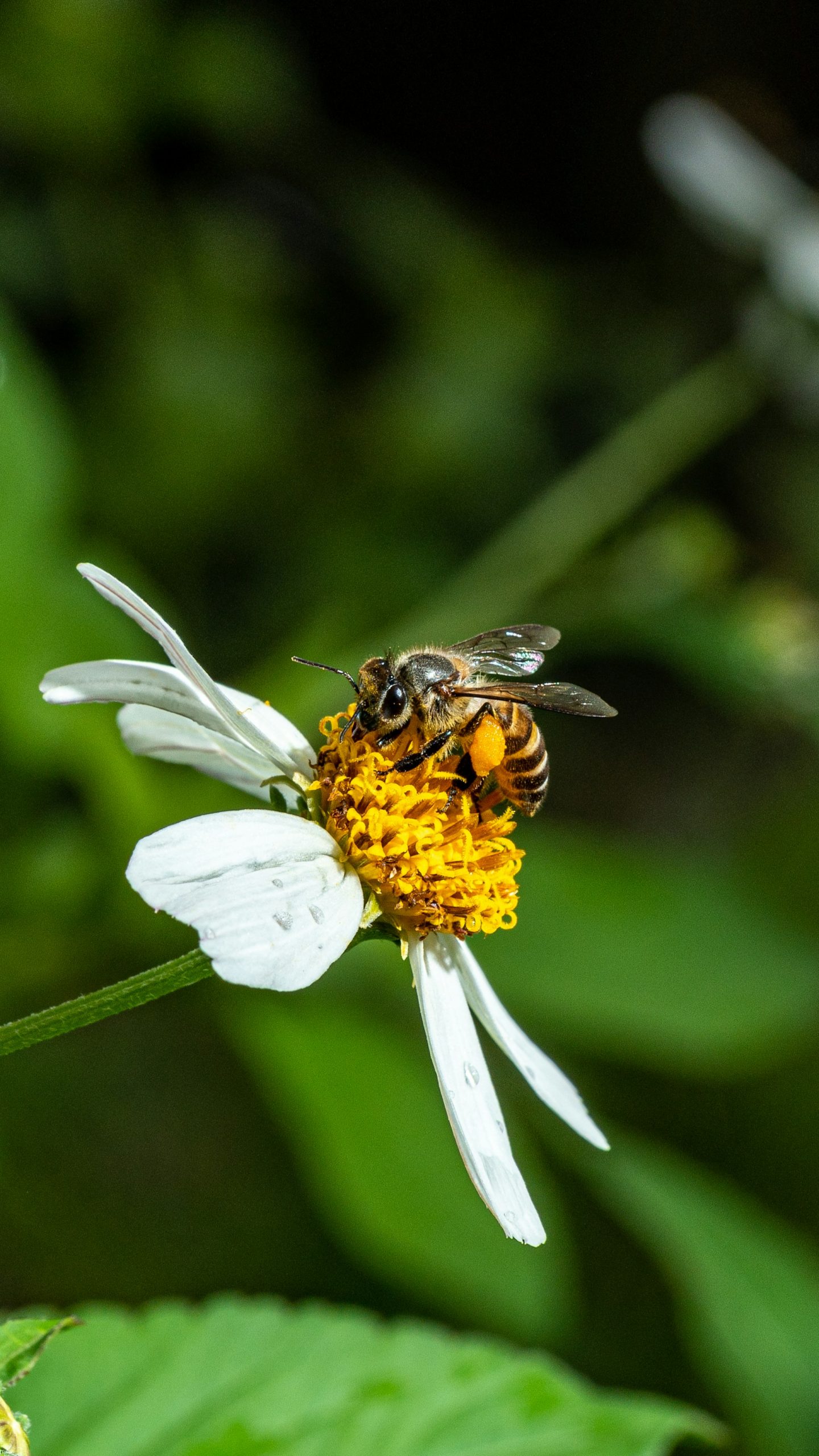
Weather plays a critical role in honey production. Unseasonable cold, excessive rain, or prolonged droughts can reduce the availability of flowering plants, limiting the nectar and pollen that bees need to produce honey. Pests such as the varroa mite and diseases like American foulbrood pose additional threats to bee health and hive productivity. Environmental stressors, including habitat destruction and pesticide use, further compound these challenges, making sustainable beekeeping more important than ever. Learn more about the impact of environmental stressors on honey production in the International Honey Market report.
The Importance of Sustainable Beekeeping
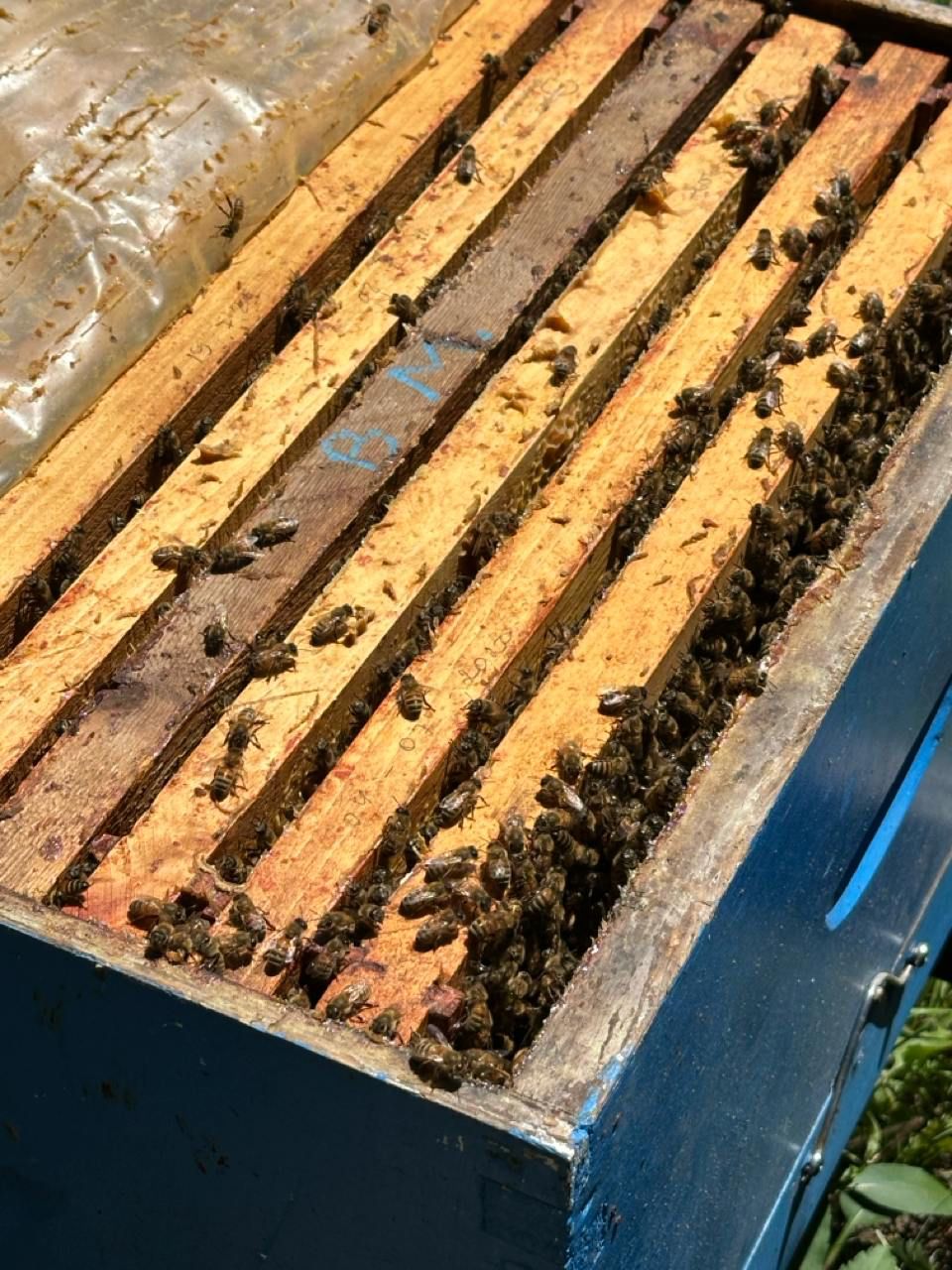
Sustainable beekeeping practices are essential to address these challenges and ensure the long-term viability of the honey industry. By adopting integrated pest management, reducing pesticide use, and promoting pollinator-friendly habitats, beekeepers can help safeguard bee populations and stabilize honey production. Supporting local and eco-friendly apiaries, like EcoBeezzz Family Apiary, not only helps meet the growing demand for honey but also contributes to the health of local ecosystems and the broader environment.
Consumer Choices and Market Trends
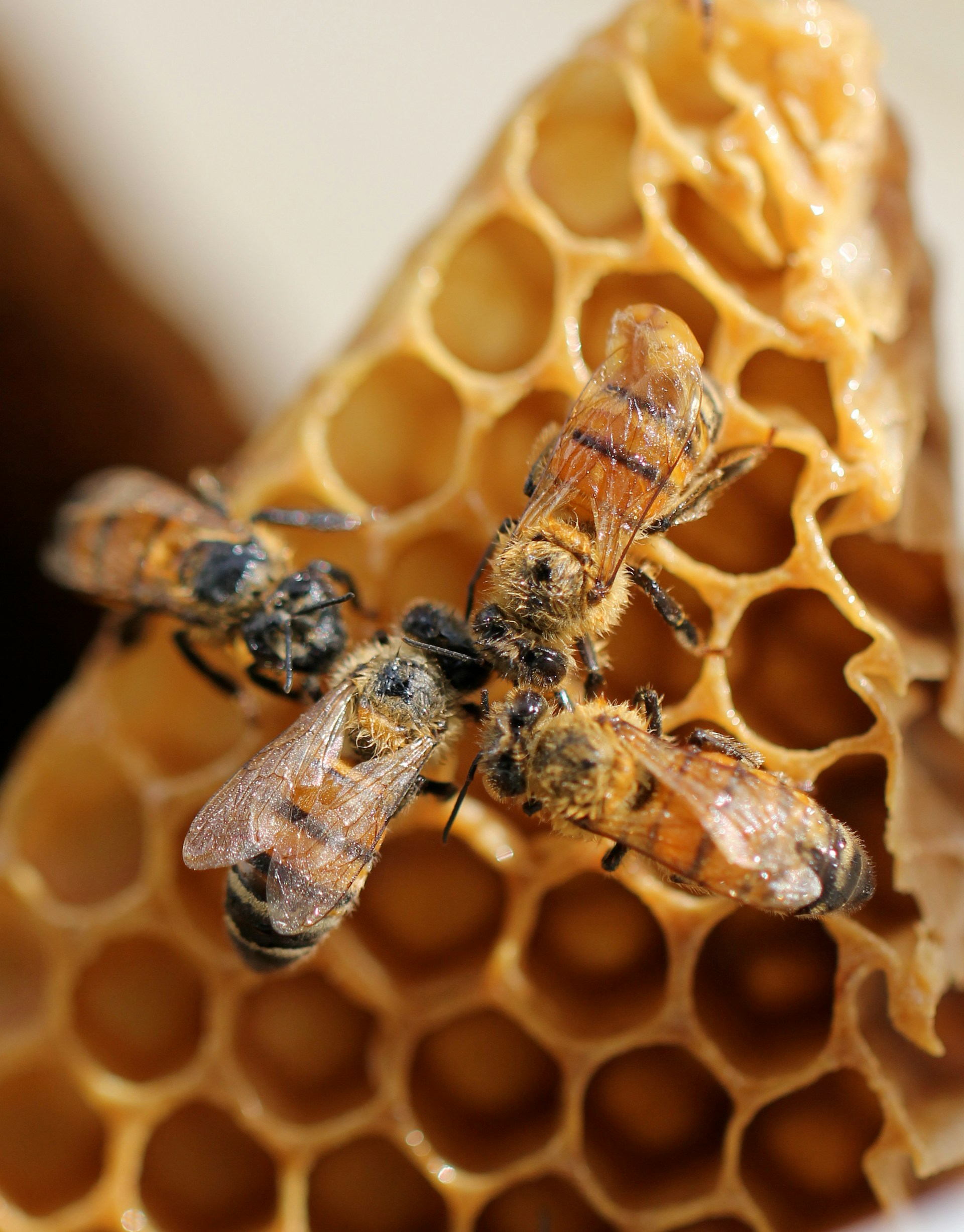
Consumers play a vital role in shaping the future of the honey market. The increasing preference for organic and sustainably produced honey reflects a broader shift toward environmentally responsible consumption. Organic honey now dominates the global market, accounting for nearly 80% of total sales, as consumers seek products free from synthetic chemicals and pesticides. This trend is expected to continue, reinforcing the importance of transparency, traceability, and ethical sourcing in the honey industry.
Supporting Beekeepers and the Environment
By choosing honey from responsible producers, consumers can help support beekeepers who prioritize sustainability and animal welfare. Purchasing from local apiaries, such as EcoBeezzz, ensures that your honey is produced with care for both bees and the environment. It also helps maintain the delicate balance between rising demand and the challenges of honey production, promoting a healthier planet for future generations.
Experience the Difference with EcoBeezzz
Ready to enjoy pure, sustainably produced honey while supporting responsible beekeeping? Visit the EcoBeezzz online store to purchase high-quality honey that meets the highest standards of taste, purity, and sustainability. Every jar you buy helps support healthy pollinators, local ecosystems, and the future of the honey industry.
Visit the EcoBeezzz online store to buy pure, sustainable honey today!