Honey Risks and Solutions

Chemical Contamination and Food Safety in Honey

Discover how chemical contamination impacts honey safety, the risks it poses to consumers, and how regulatory standards and testing help ensure pure, safe honey for your family.

Ecobeezzz raw homey Chemacical Contamination free

Understanding Chemical Contamination in Honey

Honey, a natural sweetener cherished for its flavor and health benefits, is not immune to the challenges of modern agriculture and industry. Chemical contamination in honey can originate from pesticides used in crop protection, veterinary drugs administered to bees, and environmental pollutants such as heavy metals. These substances can find their way into honey through various pathways, including contaminated pollen, nectar, or water sources used by bees. The presence of chemical residues in honey is a growing concern for consumers, producers, and regulators alike, as it poses potential health risks and undermines the reputation of this valuable food product.

Common Sources of Chemical Contamination

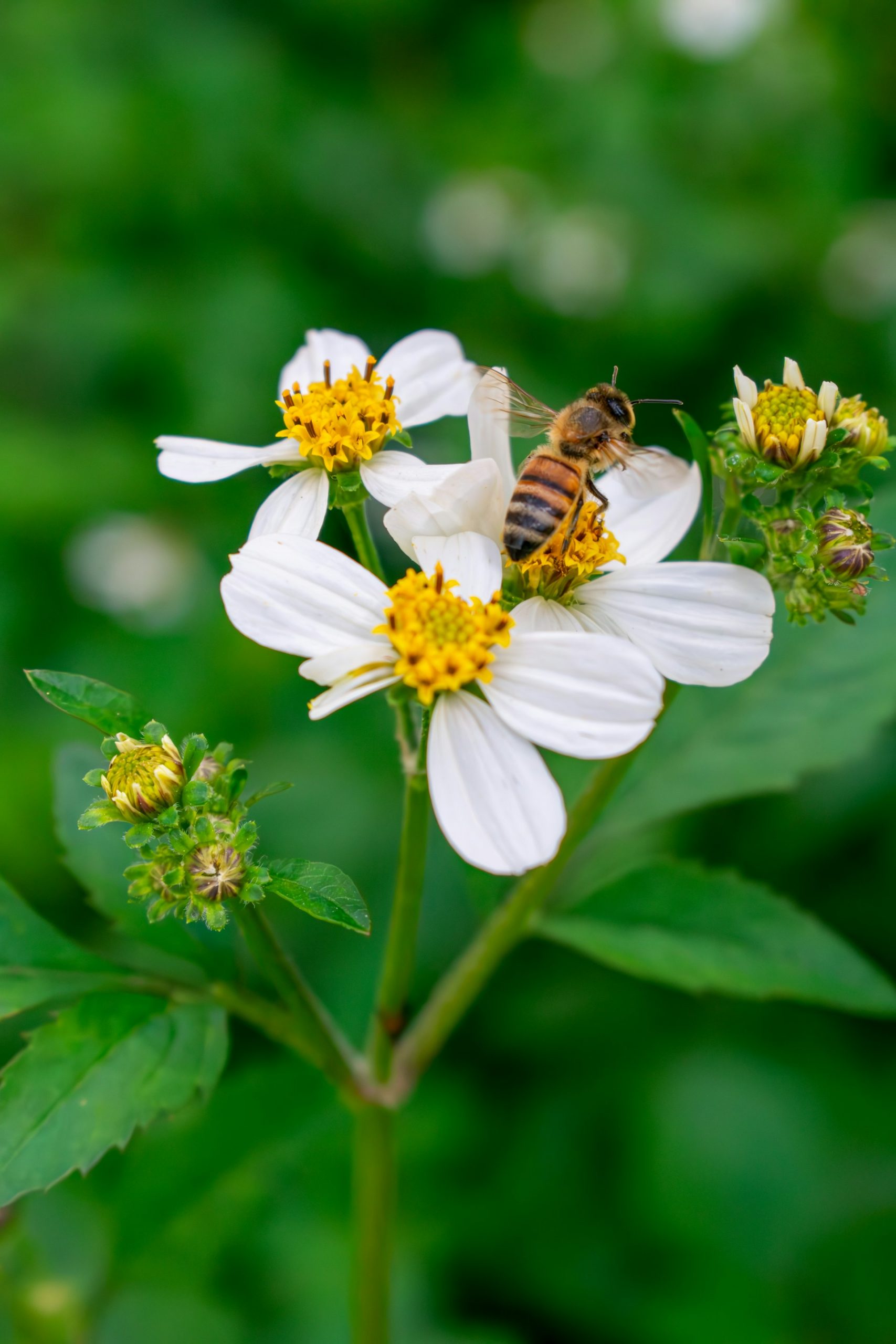
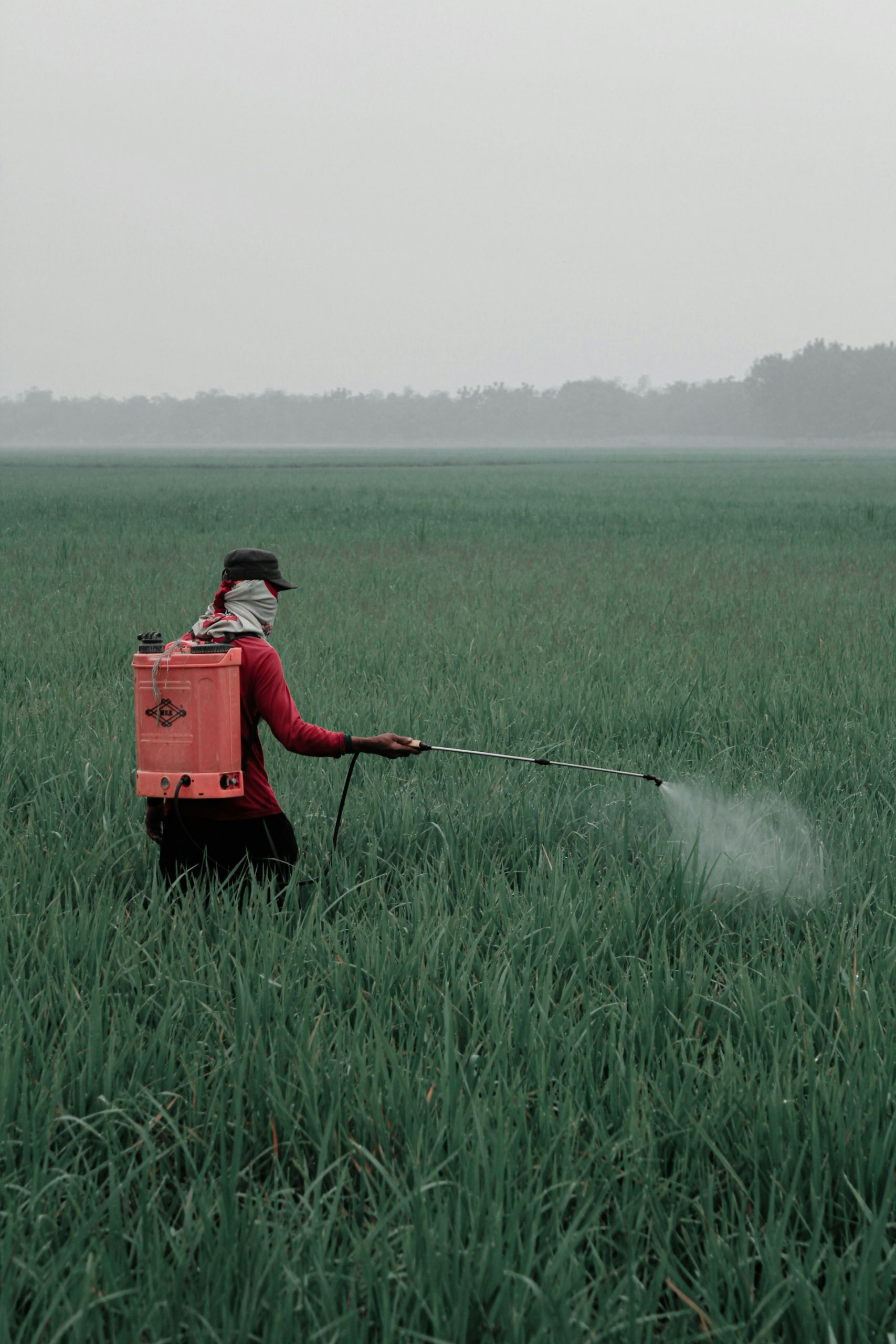
Pesticides are among the most significant sources of chemical contamination in honey. Bees collect nectar and pollen from plants treated with insecticides, herbicides, and fungicides, which can accumulate in the hive and ultimately in the honey. Veterinary drugs, such as antibiotics, may also be present if beekeepers use them to control diseases within their colonies. In addition, heavy metals like lead, cadmium, and arsenic can enter honey from polluted soil, water, or air, particularly in industrial or urban areas. These contaminants can have adverse effects on human health, especially with long-term exposure.

Ecobeezzz raw homey Chemical Contamination free
Ecobeezzz raw homey Chemacical Contamination free

Health Risks Associated with Contaminated Honey
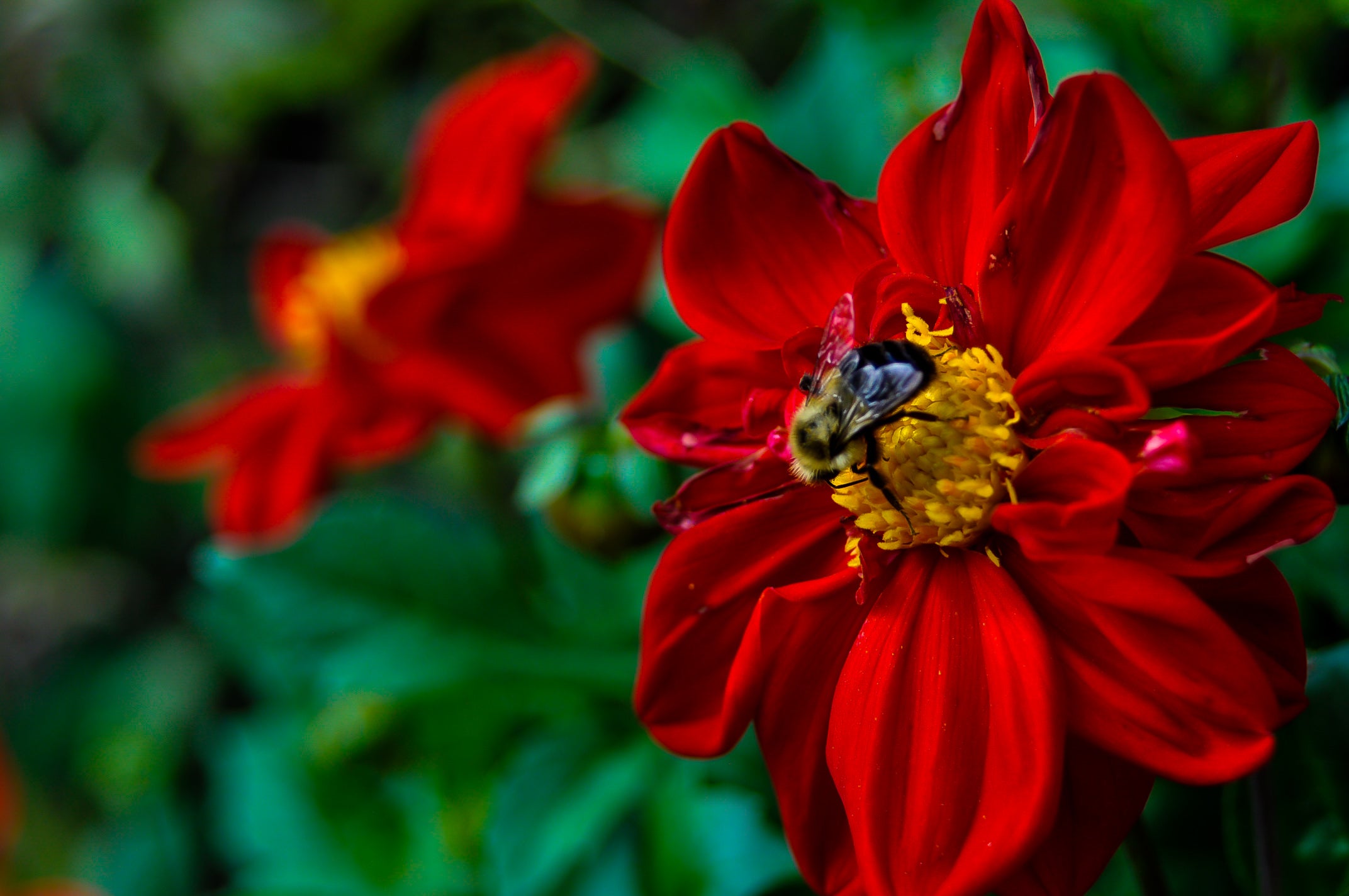
The health implications of consuming honey contaminated with pesticides, antibiotics, or heavy metals are a subject of ongoing research and regulatory scrutiny. Pesticide residues, for example, have been linked to a range of health issues, including neurological disorders, endocrine disruption, and increased cancer risk. Antibiotic residues in honey can contribute to the development of antibiotic-resistant bacteria, posing a threat to public health. Heavy metals, even in trace amounts, can accumulate in the body and cause chronic toxicity, affecting the nervous system, kidneys, and other organs. Learn more about chemical contaminants in food and the importance of monitoring from the European Food Safety Authority (EFSA).

Health Risks Associated with Contaminated Honey
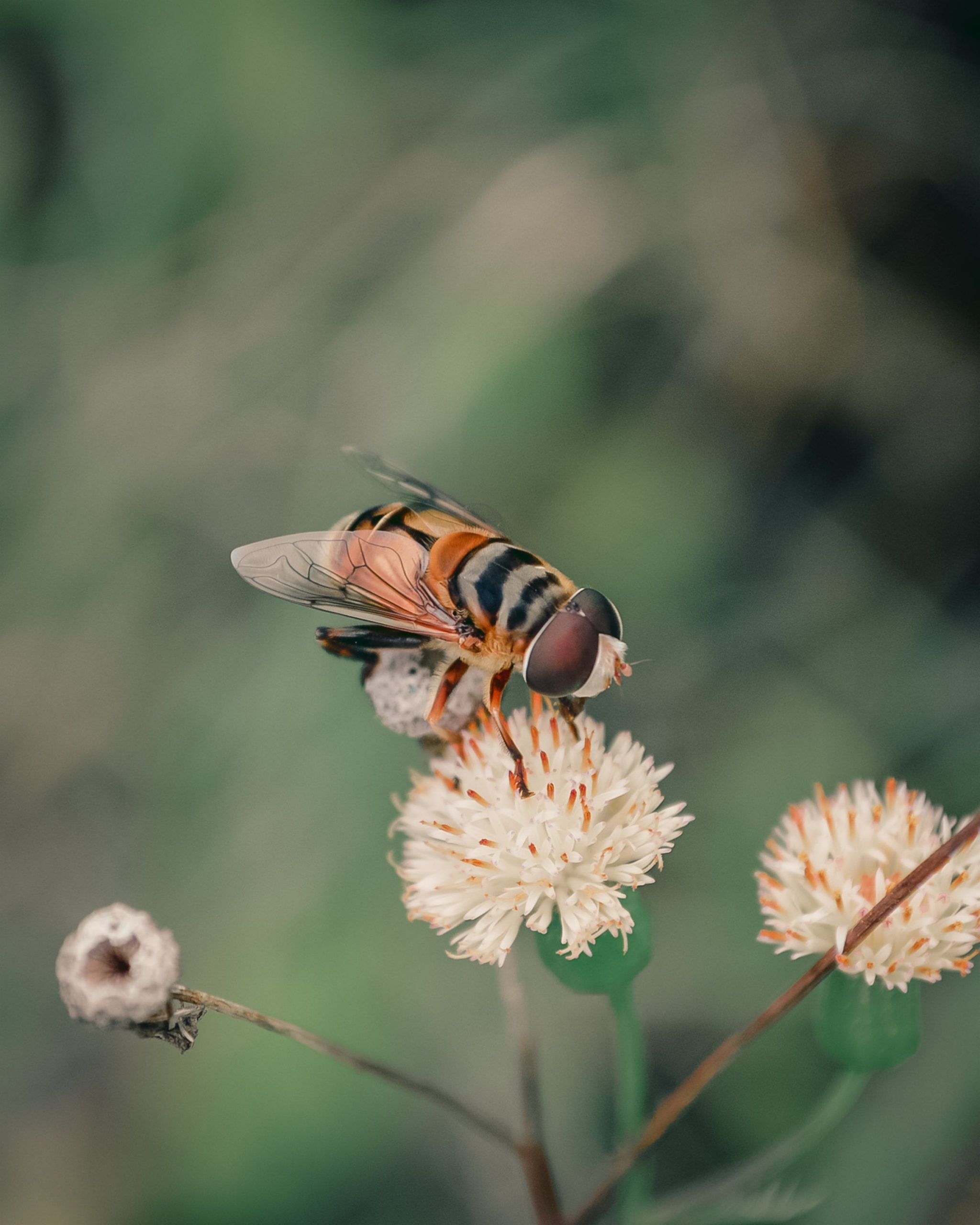
The health implications of consuming honey contaminated with pesticides, antibiotics, or heavy metals are a subject of ongoing research and regulatory scrutiny. Pesticide residues, for example, have been linked to a range of health issues, including neurological disorders, endocrine disruption, and increased cancer risk. Antibiotic residues in honey can contribute to the development of antibiotic-resistant bacteria, posing a threat to public health. Heavy metals, even in trace amounts, can accumulate in the body and cause chronic toxicity, affecting the nervous system, kidneys, and other organs. Learn more about chemical contaminants in food and the importance of monitoring from the European Food Safety Authority (EFSA).
Ecobeezzz raw homey Chemical Contamination free
Ecobeezz bee pollination

Regulatory Standards and Testing for Honey Safety

To protect consumers, regulatory agencies around the world have established strict standards for chemical residues in honey. In Canada, the Canadian Food Inspection Agency (CFIA) monitors honey for veterinary drug residues, chemical contaminants, and compliance with compositional standards. The CFIA conducts regular inspections, sampling, and laboratory testing to ensure that honey sold in the market meets safety requirements. Explore the CFIA’s approach to honey safety and authenticity on the official CFIA website.

Global Efforts to Combat Chemical Contamination

Internationally, organizations such as the European Food Safety Authority (EFSA) and the World Health Organization (WHO) work to collect data on chemical contaminants in food, including honey, and to set science-based safety limits. These efforts help harmonize standards and facilitate the exchange of information between countries. Continuous monitoring and research are essential to identify emerging risks and to develop effective strategies for reducing chemical contamination in honey. For the latest updates on global food safety incidents, including honey contamination, visit SGS Digicomply.
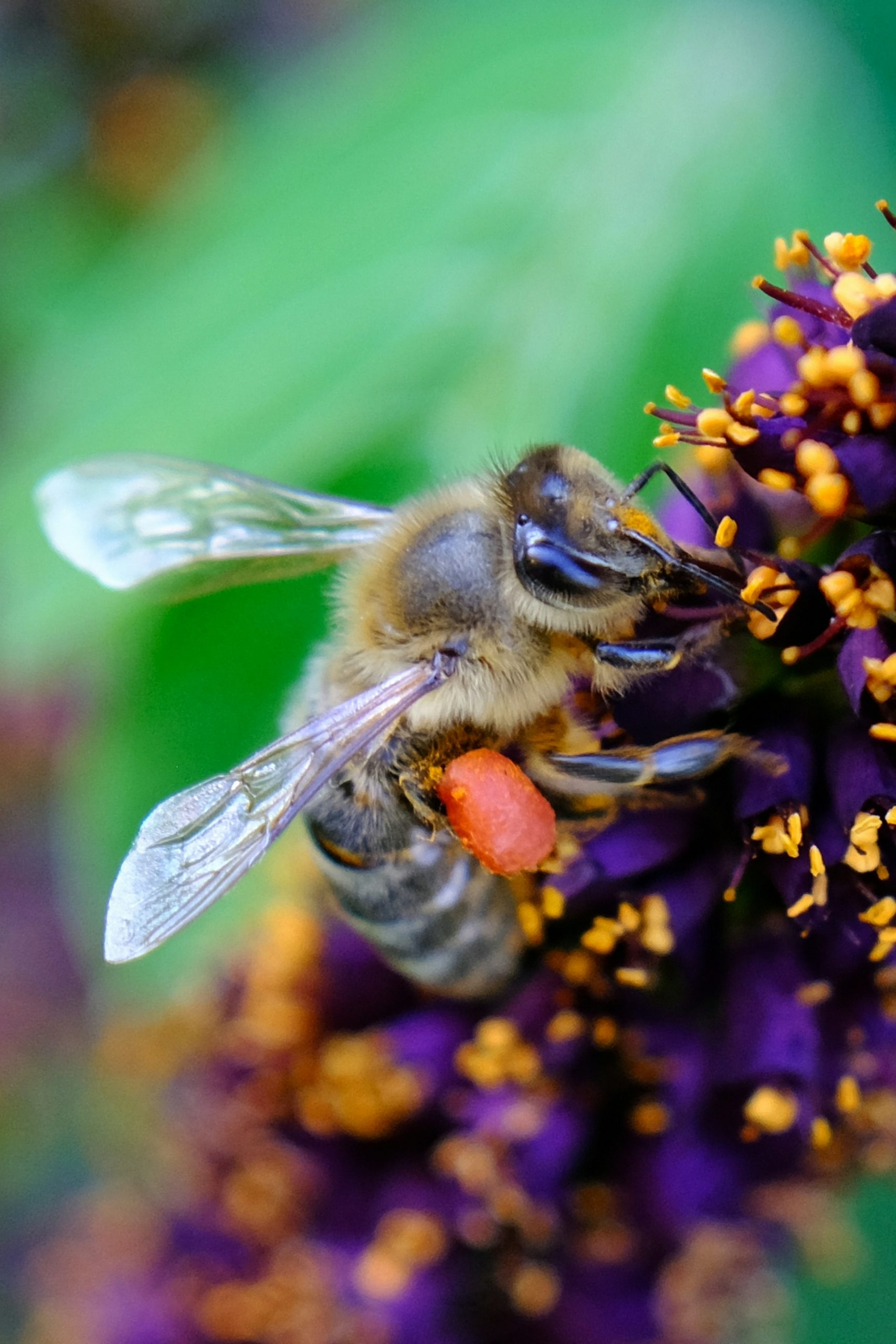
Ecobeezzz raw homey Chemacical Contamination free

Pyrrolizidine Alkaloids and Other Natural Toxins

In addition to synthetic chemicals, honey can sometimes contain naturally occurring toxins such as pyrrolizidine alkaloids (PAs). These compounds are produced by certain plants and can be transferred to honey through pollen. While the risk to most consumers is low, young children and individuals who consume large amounts of highly contaminated honey may be at greater risk. Recent research published in ScienceDirect highlights the need for ongoing monitoring of PAs in honey.

Choosing Safe and Pure Honey

Consumers can protect themselves by choosing honey from reputable producers who adhere to strict safety and quality standards. Look for certifications, transparent labeling, and information about testing for chemical contaminants. Supporting local, eco-friendly apiaries that prioritize sustainable practices and rigorous testing helps ensure that you are getting pure, safe honey for your family.
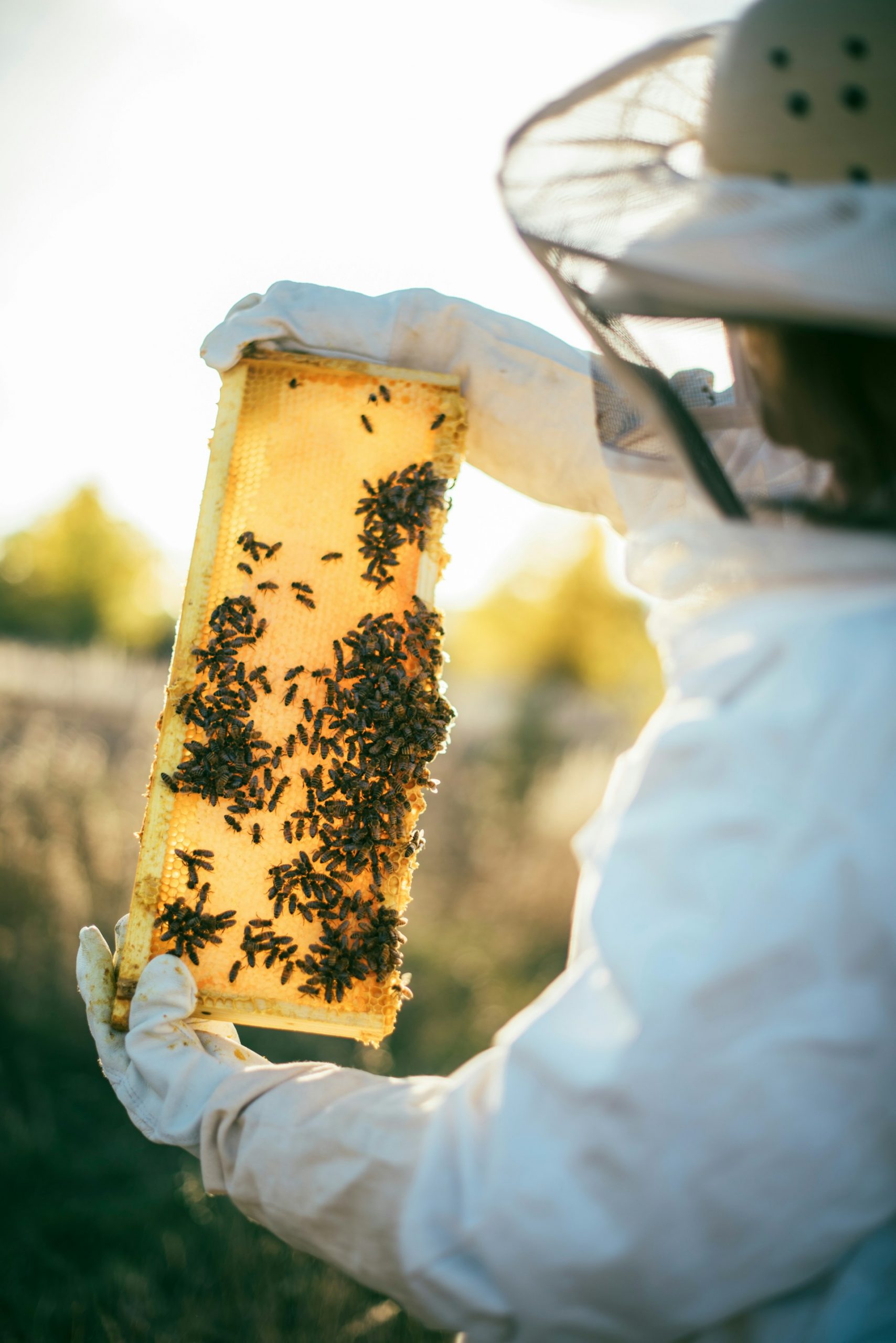

Ecobeezzz raw homey Chemacical Contamination free

EcoBeezzz: Your Trusted Source for Pure Honey

At EcoBeezzz Family Apiary, we are committed to providing honey that is not only delicious but also safe and free from harmful chemical contaminants. Our honey is produced using sustainable, eco-friendly methods, and we conduct regular testing to ensure compliance with all regulatory standards. By choosing EcoBeezzz, you support ethical beekeeping and contribute to a healthier environment.

Experience the Difference with EcoBeezzz

Ready to enjoy honey that you can trust? Visit the EcoBeezzz online store to purchase pure, safe honey that meets the highest standards of quality and safety. Every jar you buy supports sustainable agriculture, healthy pollinators, and your family’s well-being. Make the switch to EcoBeezzz honey today and taste the difference that only pure, responsibly sourced honey can deliver. Visit the EcoBeezzz online store to buy pure, raw honey today!
Scroll to Top
We use cookies to enhance your experience on our website. You can accept all cookies or customize your preferences.
Accept All
Reject Non-Essential Cookies