A Year in the Life of Our Bees: What Happens in Each Season at Ecobeezzz
At Ecobeezzz, our bees are more than just honey producers — they are an essential part of our ecosystem and family farm in Orillia. Watching them work through the seasons is not only inspiring but also deeply humbling. Every part of the year brings its own rhythm and responsibilities for both the bees and us as beekeepers. Here’s a behind-the-scenes look at what happens during each season in our apiary and how those seasonal changes impact honey production.
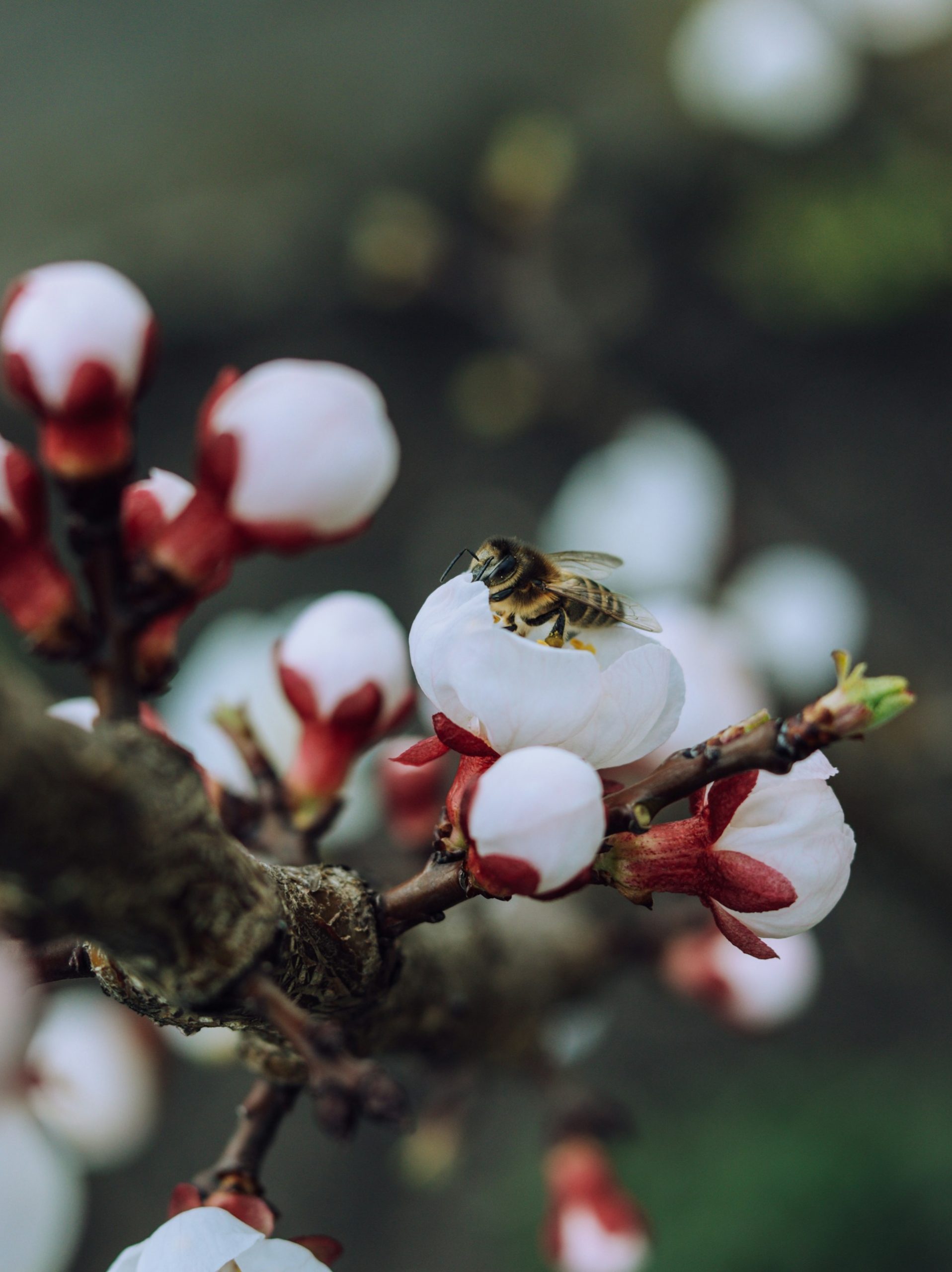
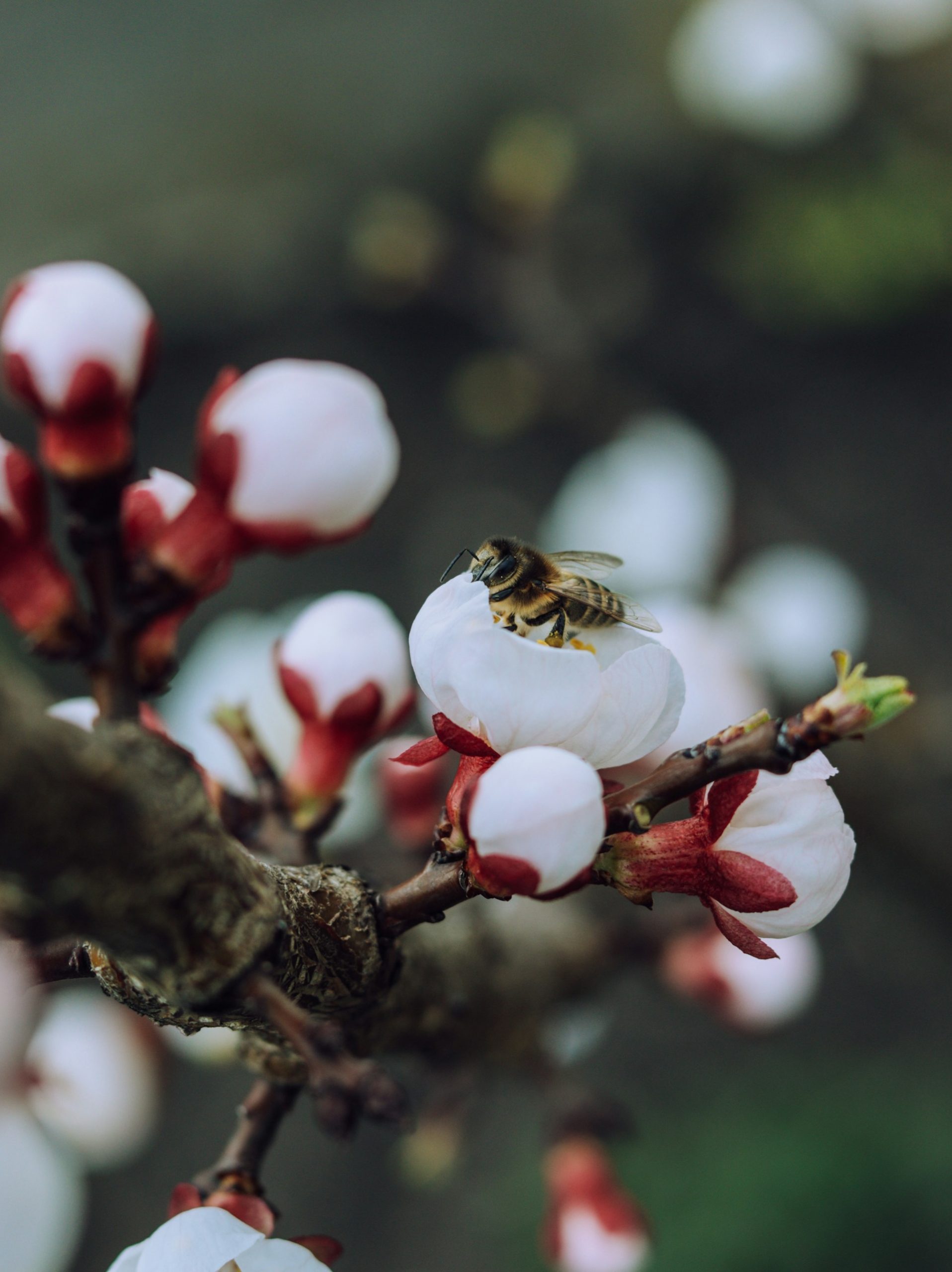
Spring: A New Life of Our Bees. The Beginning
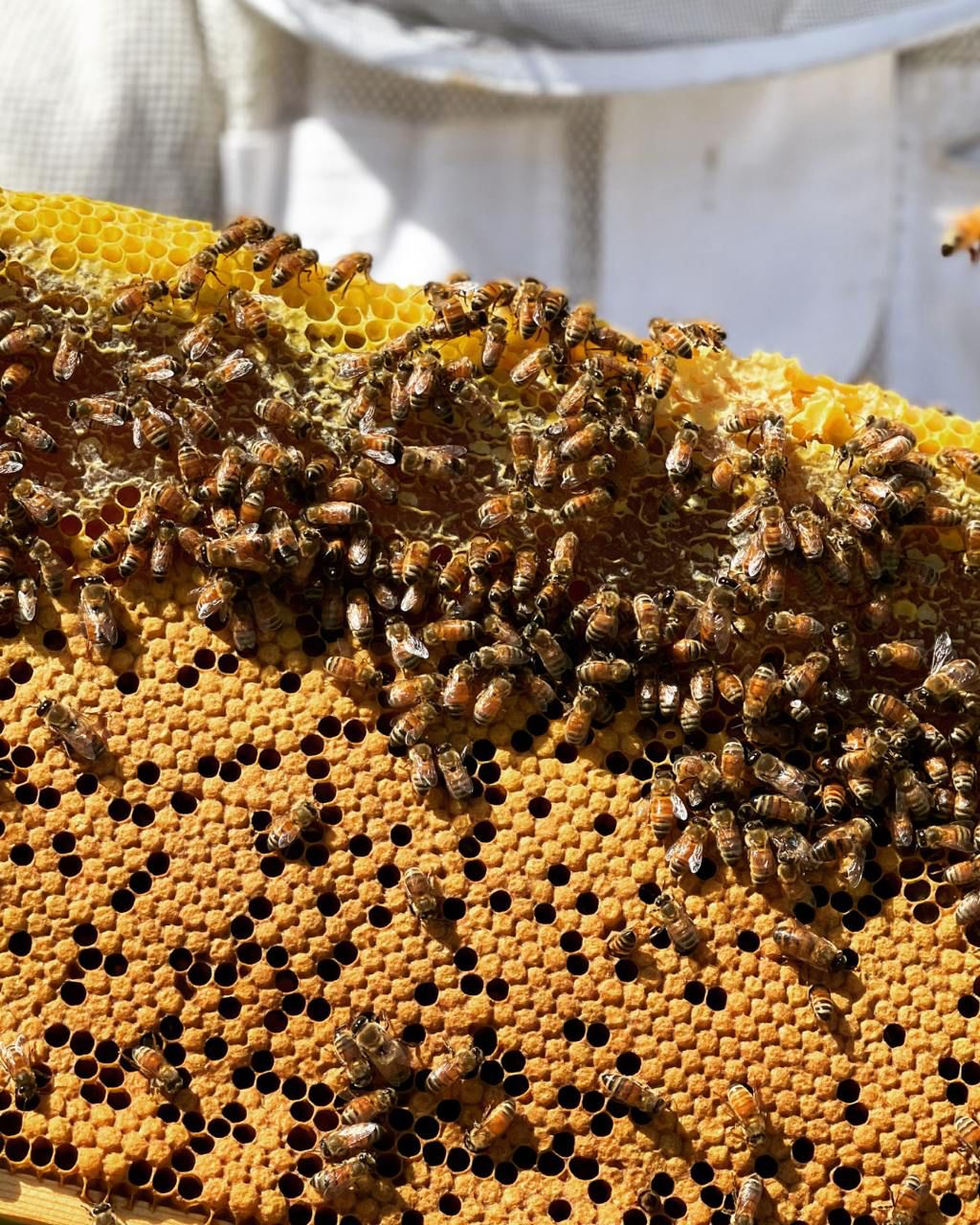
Spring is a season of awakening in the apiary. As the snow melts and temperatures rise, our bees begin to emerge from their winter clusters. This is the busiest time of year for us beekeepers — we inspect each hive to ensure the colony survived the winter and that the queen is alive and laying eggs.
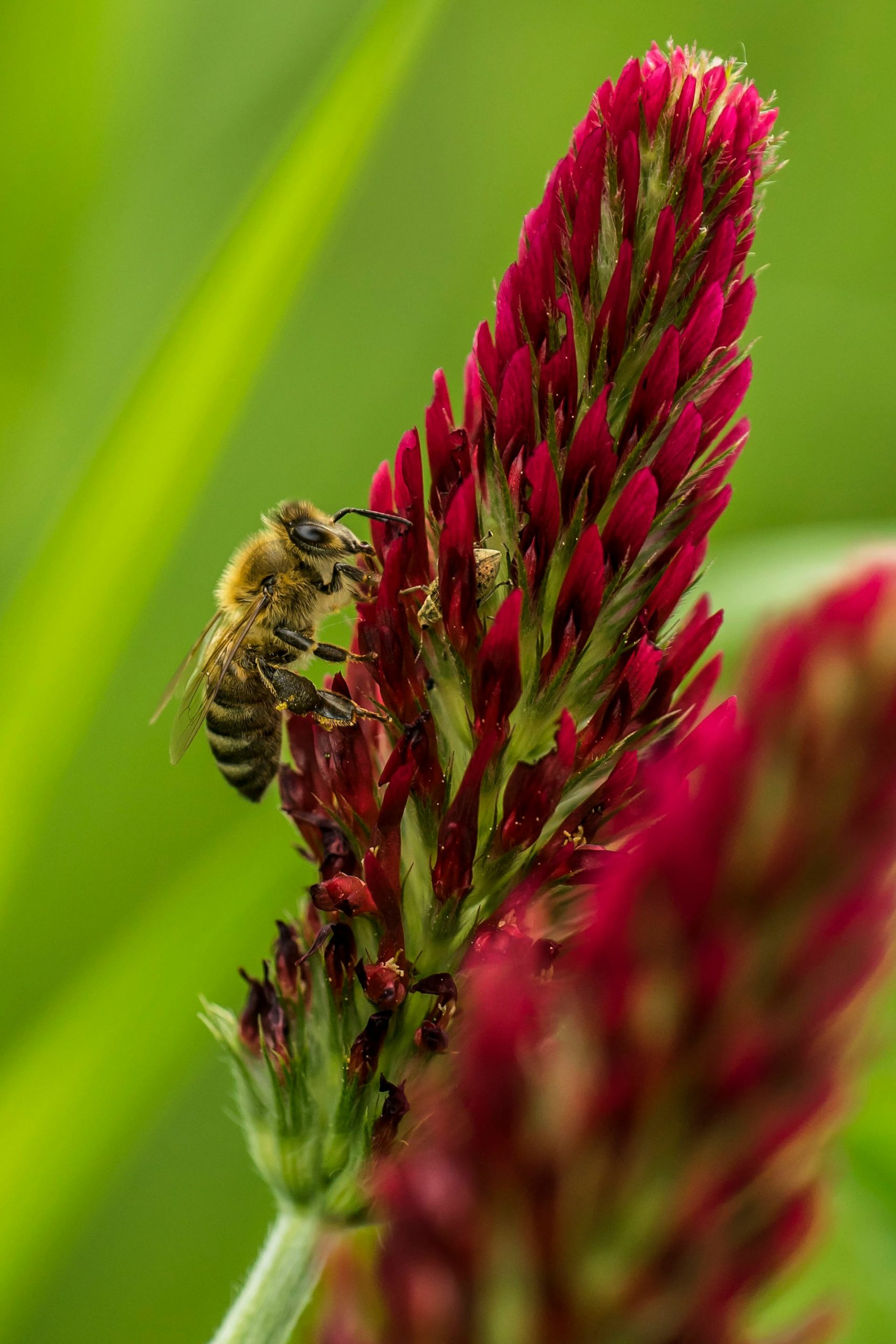
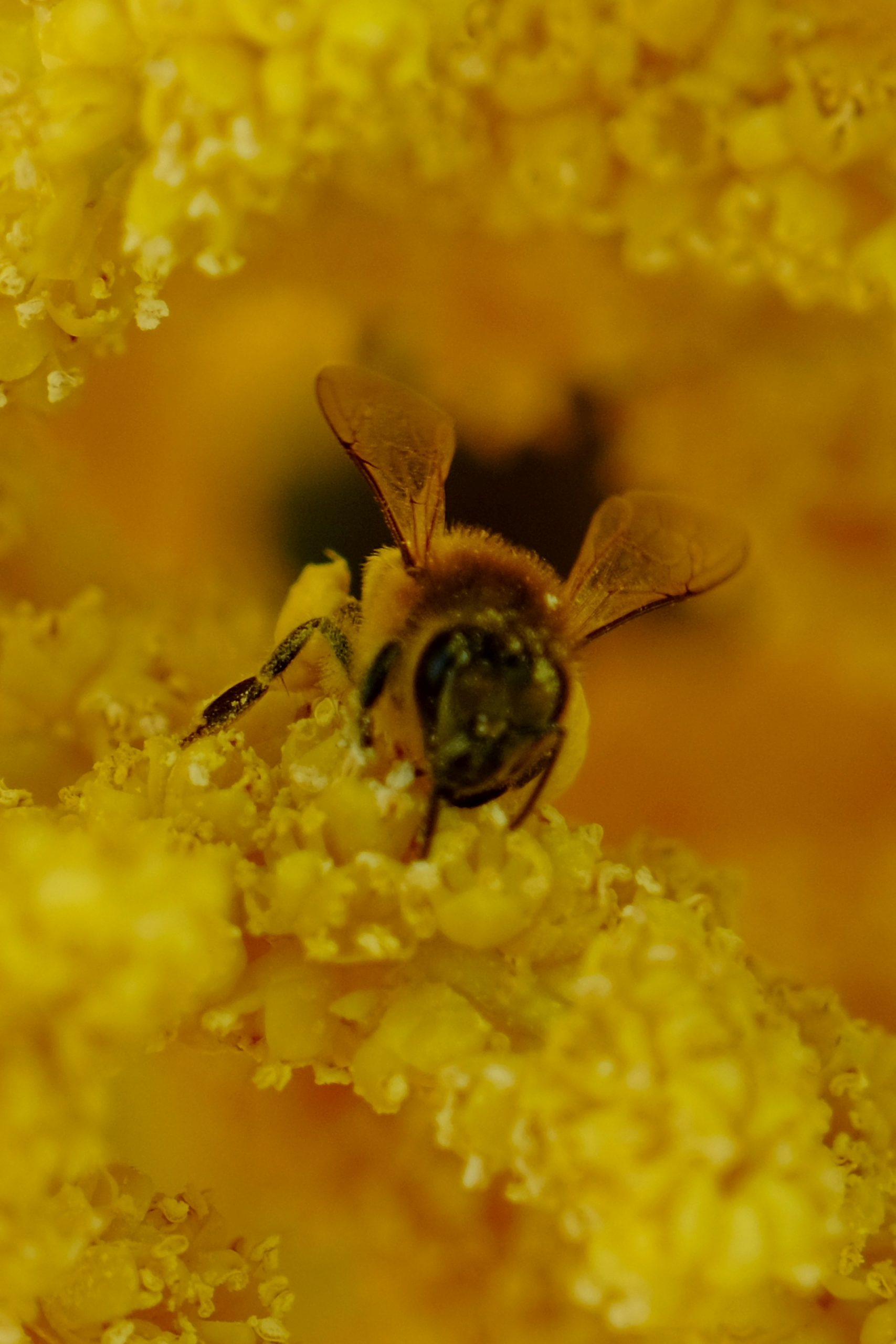
The bees’ first priority is foraging. As early spring flowers begin to bloom — like willows, dandelions, and maples — our bees collect nectar and pollen to replenish their food stores and raise new brood (baby bees). A healthy queen will start laying thousands of eggs per day, quickly rebuilding the hive population.
We also prepare for potential swarming, a natural process where a colony splits and forms a new hive. While swarming is essential to bee survival in the wild, we work to manage it carefully on our farm to keep our hives strong and productive.
- Spring tip: This is when the bees begin producing the first batches of honey, mostly used for feeding their rapidly growing colony.
Summer: Peak Season
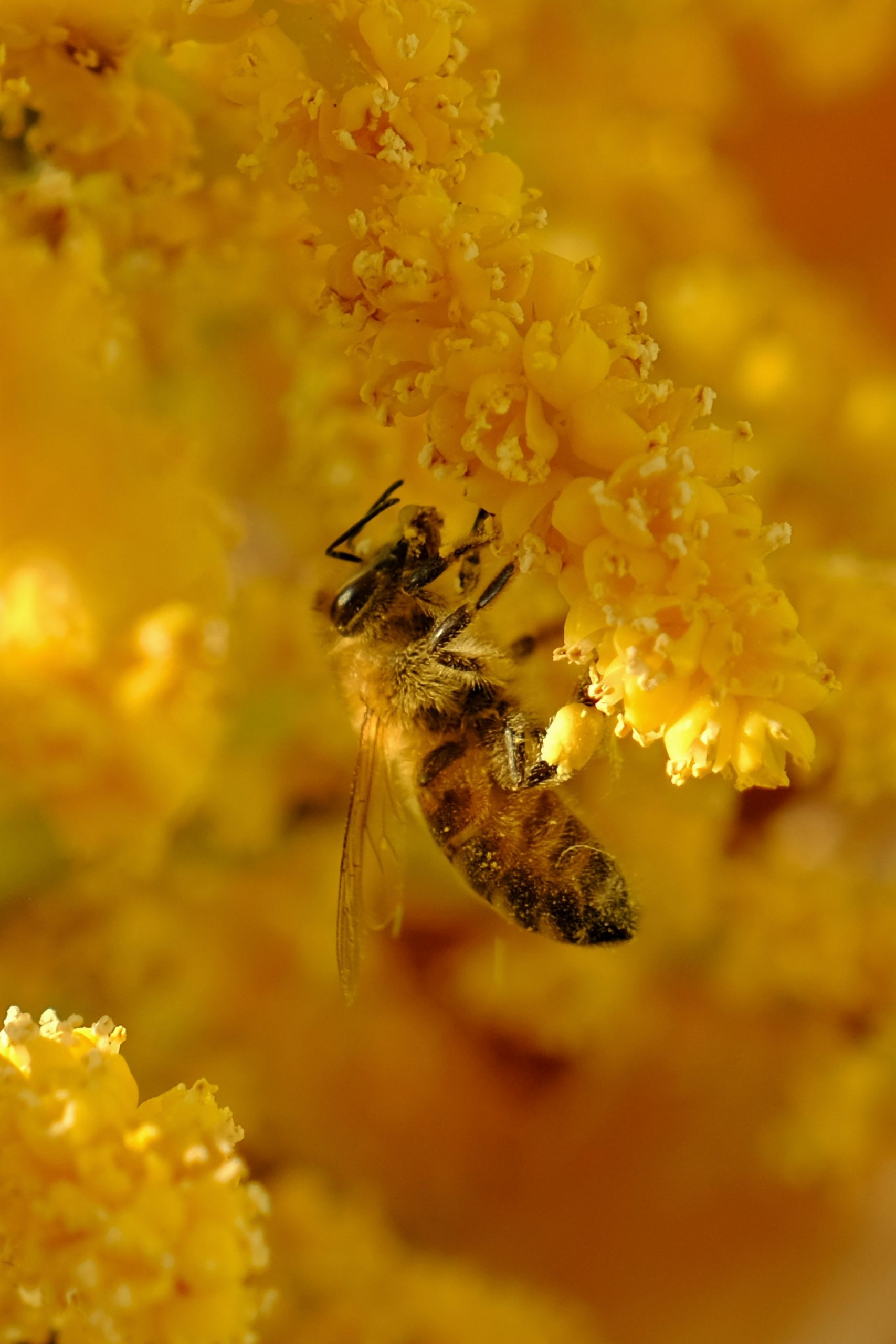
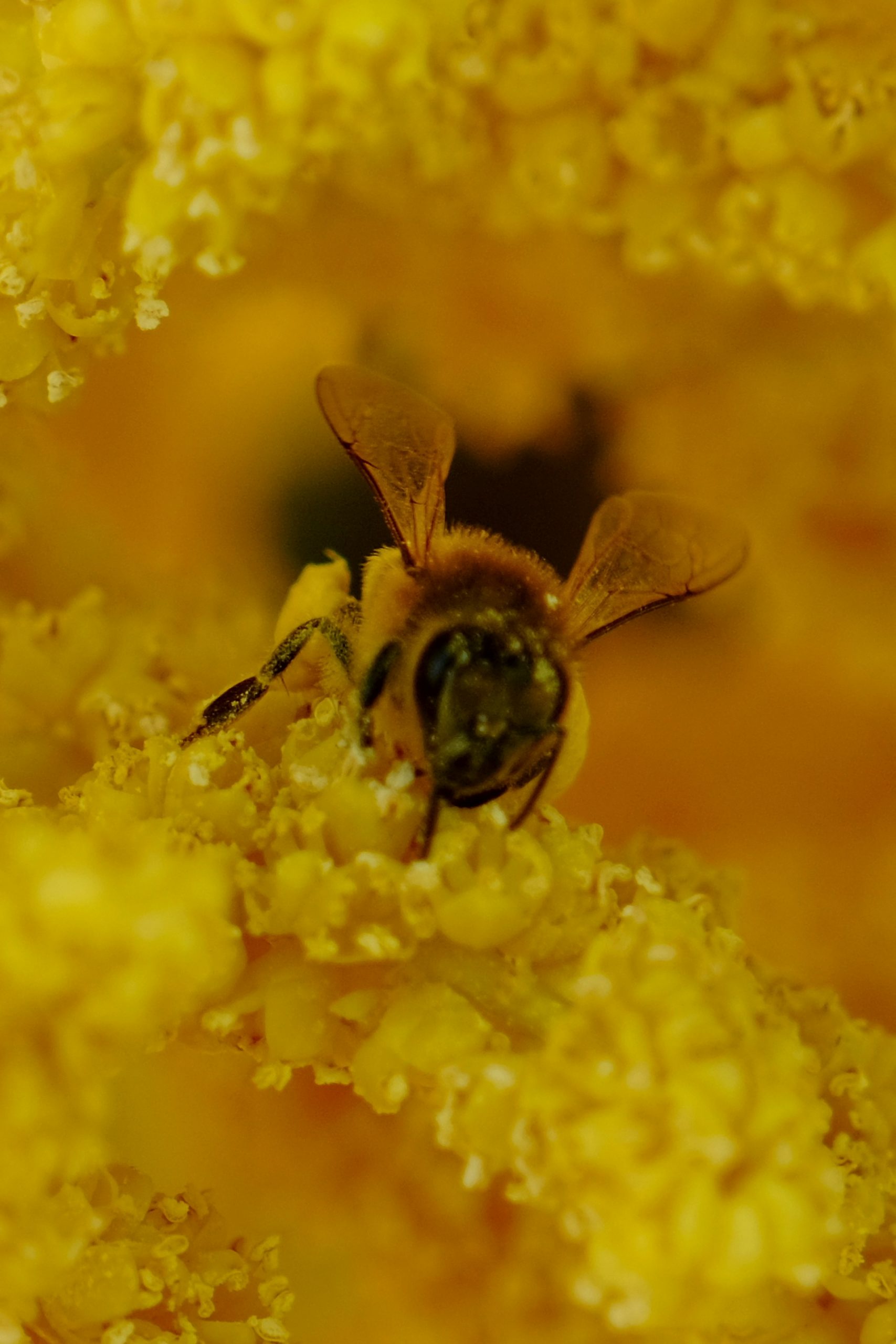
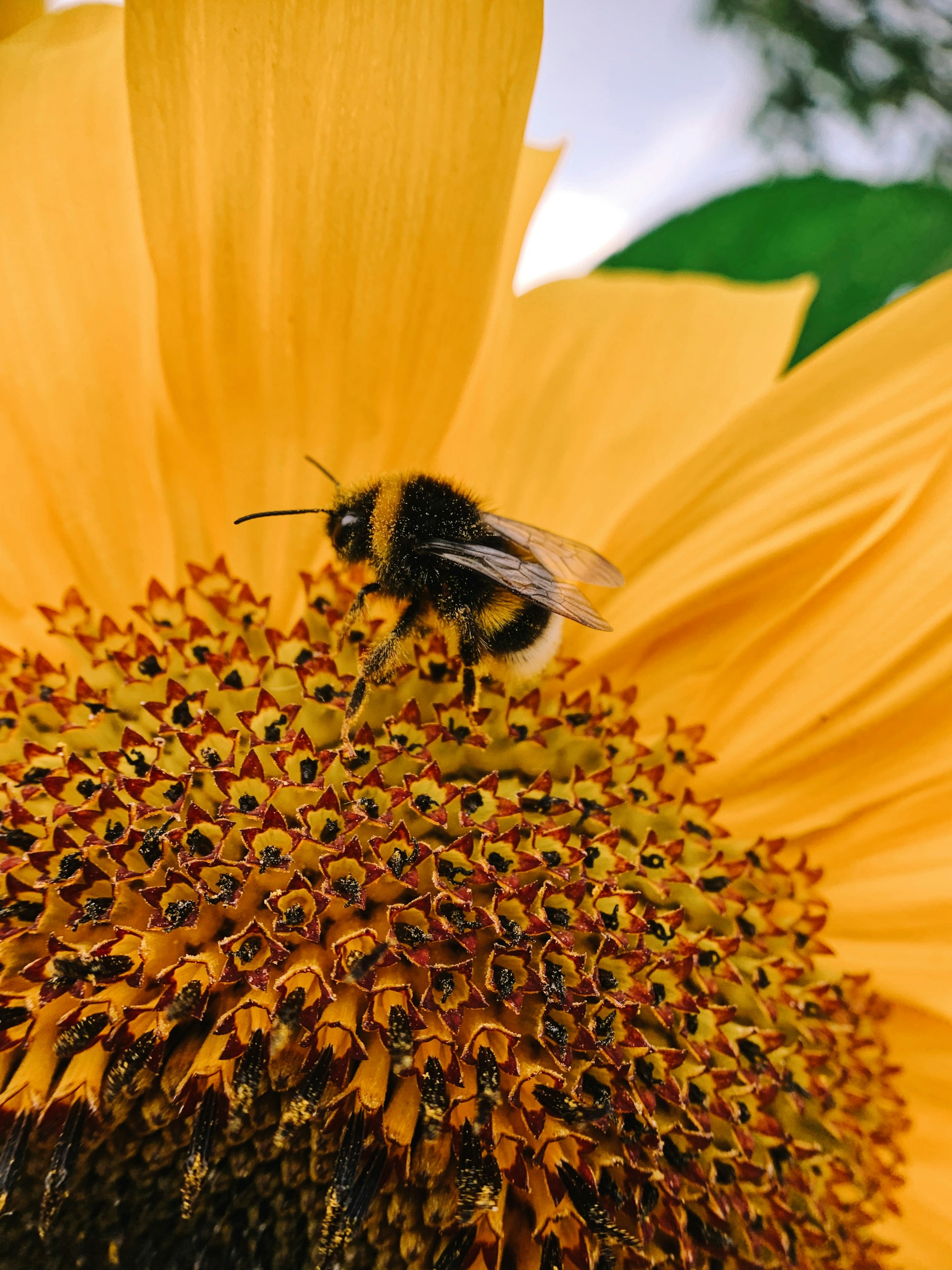
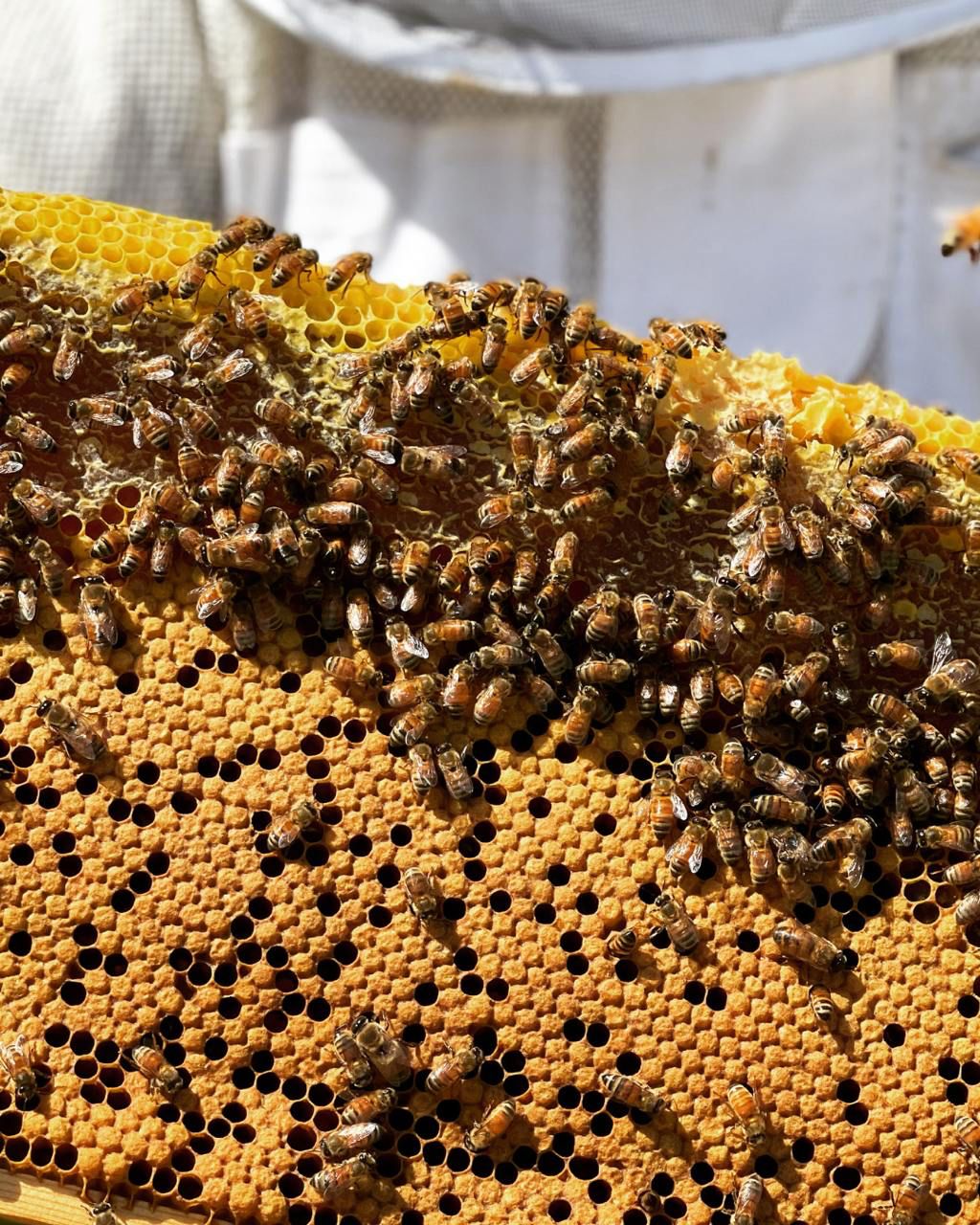
Summer is the heart of the honey flow — and the busiest season for our bees. This is when you’ll find our fields and surrounding areas in full bloom, with wildflowers, clover, and crops providing an abundance of nectar. The hive is buzzing with activity, and the population reaches its peak, with up to 60,000 bees in a single hive.
Our job in the summer is to support our bees by ensuring they have enough space to store honey and continue raising brood. We regularly check on hive health, monitor for pests like varroa mites, and add extra boxes (called “supers”) to give bees room for honey storage.
This is also the time when we begin harvesting honey. At Ecobeezzz, we use traditional and gentle extraction methods to ensure the honey remains raw, unfiltered, and full of nutrients.
Summer tip: This is when our wildflower honey and honeycomb products are made, capturing the rich, floral flavors of Orillia’s summer bounty.
Autumn: Preparation and Patience
As the days grow shorter and temperatures drop, our bees start preparing for the colder months. The queen reduces egg-laying, and the worker bees begin to kick out the drones (male bees), who are no longer needed once mating season ends.
This is a crucial time for us as beekeepers. We harvest the final batches of honey — but leave plenty behind for the bees themselves. They’ll need 60-90 pounds of honey to survive the winter.
We also begin insulating the hives and reducing entrances to keep out cold air and intruders. Treatments to control mites are applied to ensure the colony stays healthy during the long months ahead.
- Autumn tip: This is when our honey has a slightly darker, more robust flavor, thanks to late-season plants like goldenrod and asters.
Winter: Rest and Resilience
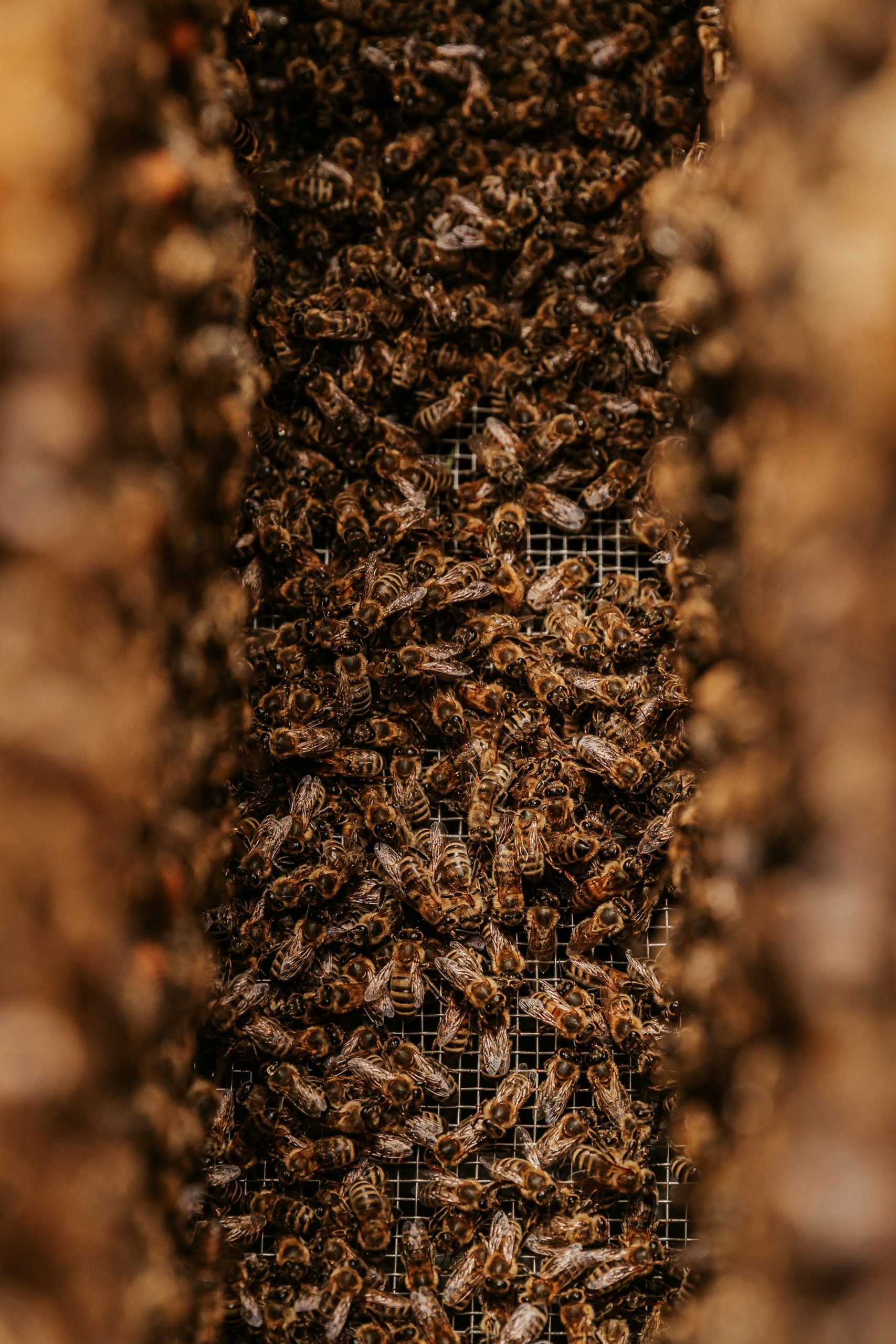
Winter is a quiet time in the apiary, but inside the hives, the bees are far from idle. They form a tight cluster around the queen, vibrating their bodies to generate heat and maintain a stable temperature around 34°C (93°F) at the cluster’s center.
We check in periodically to make sure the hives are still insulated and safe from moisture and predators, but for the most part, we let the bees do what they’ve been doing for millions of years — survive the winter with strength and cooperation.
- Winter tip: No honey is produced during winter, making it a great time to focus on candle-making, beeswax balms, and planning for the next season.
The Cycle Continues
Each season brings unique challenges and rewards, and through it all, we gain a deeper appreciation for the incredible work our bees do. Their tireless efforts pollinate our plants, support local ecosystems, and provide us with some of the finest honey in Ontario.
At Ecobeezzz, we honor this rhythm by working with the bees — not against them. Our methods are rooted in sustainability, respect, and care for the land and its creatures. When you taste our honey, you’re tasting a full year of dedication, from both our family and our bees.
Thank you for supporting local, natural, and bee-friendly products. Stay connected for more behind-the-scenes stories from our hives to your home.